Adventures around Sicuani!
We are hosting a wonderful family: mother, father, 15-year old girl, and 14-year old boy. None of them have ever stayed in a hotel before, nor soaked in a hot springs.
(Note: cell phone blogging is challenging, and many of these pictures are duplicated and out of order. Have fun with it!)


Purging waters of San PedroThe grounds are beautiful and the toilets clean.
One drinks at least a dozen cups the this water. Poops until the poop is clear, and then done. Recommended is a glass of aloe vera juice followed by a broth-rich soup.
 |
Incan Spirits: Puma, land; Condor, air; Serpent,
|
 |
| Fountain of purging waters of San Pedro |
 |
| Chemical analysis of purging waters (sort of like a colonoscopy prep) |
Aguas Calientes, up in altitude from Sicuani
Mineral-rich hot water soothes the muscles; gives fun for play. The kids got a bit of swimming lessons lake Titicaca is a bit too cold for serious swimming.
(These pictures are not in chronological order; too difficult to rearrange on my phone )
The Bonbonera Market in Sicuani
This is a HUGE market, covering several blocks on the street as well as covered areas. Alicia especially wanted to buy som special seed corn and fava beans. They also found a good deal on bayeta, the natural wool fabric used to make traditional shirts on Taquile.
 |
| Mercado Bombonera |
Near our hotel is the Central Market, where we ate breakfast every morning and bought our treats a picnic supplies.
 |
| Mercado Central, where we ate breakfasts |
Raqchi, major Incan archaeological site
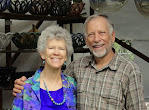
We hired a local Guide, and our good fortune was it was the same guide we had hired in the past, Denis. He is very experienced and told us good stories. Took our picture as a group. We had visited his father, who is a very competent potter, in previous years. (Note: More Raqchi continued after Tinta)
 |
| Entrance to Raqchi |
 |
From the Mirador at Raqchi
|
Tinta and the Tupac Amaru museumThe museum is a difficult and terrible part of Peruvian history when the Spanish conquerors inflicted torture and slavery on the indigenous people, and in particular their leader, Tupac Amaru , and his family. The museum consists of paintings telling the story and shows lots of blood and suffering. Afterward, to cheer ourselves up, we have ice cream and chicha in the main square.


No comments:
Post a Comment