Showing posts with label Holidays. Show all posts

Saturday, April 26, 2025

Easter 2025

Singing in the Churches 

A few weeks before Easter, groups of singers gather to make up new songs and practice for the nights and a day of singing in the churches. Taquile is organized into six suyos, or sectors or neighborhoods. Each has its own chorus and musicians. They each created at least a dozen new songs.

Giant pots of soup feed the singers before practices and performances. 
Most of the women sit on mats snd blankets on the floor.


The authorities keep everyone awake with coca leaves. Thursday, Friday and Saturday nights, they sing until 1:00am

Easter Day

After Easter mass in the big church in the plaza, the authorities leave the singers and lead a procession to two ceremonial sites. We joined the one to the mountaintop, Mulcina. 


Monday, June 6, 2022

Coca Chuspa Fabric Bags

Chuspa, Quechua word for Coca Purse, 

the fabric bag traditionally carried by Taquile men for the sacred and medicinal coca leaf. 

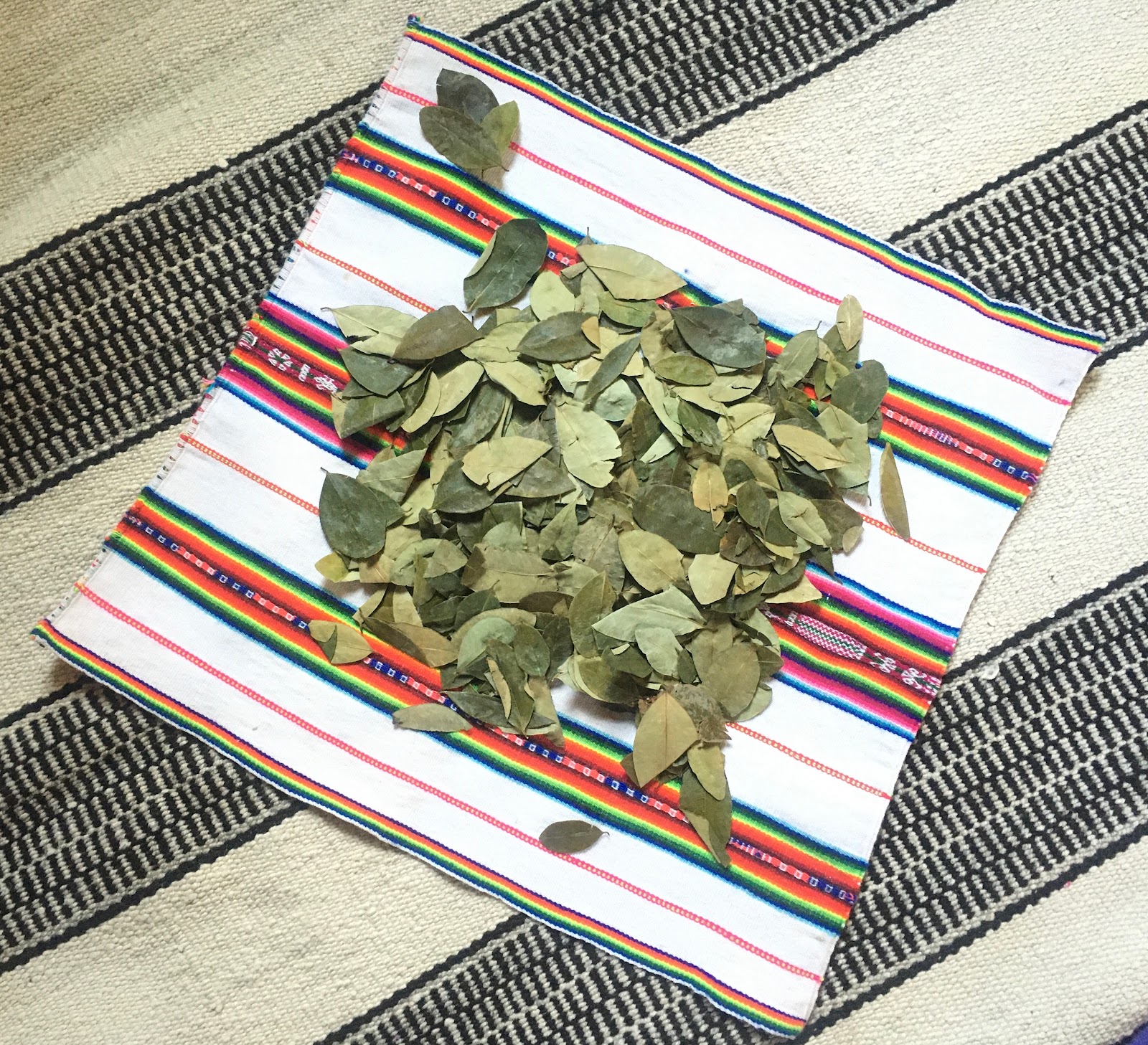
Coca is very special in the Andean culture. The leaves are used as a medium for prayer, as a divination tool, as a means for blessing. In its most simple usage, coca leaves are given and exchanged as a gift and a greeting, almost like a handshake. With the exception of certain festival dress, Chuspas are only worn by married men. They tie the bags around their waists for convenient quick-release use. 

How to tie your fabric bag around your waist 

So much of women's clothing is without a pocket, these soft bags become an instant pocket. You can carry it as a crossbody bag, or if the strap is long enough, you can tie it around your waist as a real pocket. I personally have a wardrobe of various colored chuspas and love that  I can DANCE IN MY PURSE! You can see some of these fabric bags for sale on our Etsy site: Taquile Friends The following video shows how you can tie it on for quick-release.


How Coca and Chuspas are traditionally used on Taquile

Exchanging coca

If two men meet on the trail and stop for a brief chat, they will open their chuspas, take a few leaves and place it in the other man's bag, usually simultaneously with their companion. In this everyday ceremony, leaves are not received directly in the hands, but always on cloth (or plastic bags): the top point of a hat, a pocket, a shirt tail, a woman's headcovering. Often they will observe if a well-shaped leaf lands right side up, an indication bringing good luck. They then may take leaves into their mouths, often combining them with a small amount of leupta, an alkaline ash substance that activates the medicinal qualities and makes the mucous membranes of the mouth slightly numb. 

In English, we commonly say we "chew" the leaves, but really, chewing is minimized. The leaves are tucked between cheek and gum, worked gently, and moved around in the mouth. The Quechua word we use on Taquile is something like pictchar, not masticar. Medicinally, coca lends energy, suppresses appetite and thirst, helps somehow with high altitude blood/oxygen and also with digestion and glycemic response. 

A simple coca leaf ceremony is for an individual to select three leaves from their own stash, be it their chuspa or plastic bag, choose three well-shaped leaves and imbue them with their prayers and intentions, then bury or burn them as an offering. These three leaves are called a k'intu. We always do this offer them to the water, "pay the lake," when commencing the sometimes perilous trip across Lake Titicaca.

Estalia Ceremony

A deeper coca leaf ceremony uses a specially woven cloth called an estalia. On Taquile it is traditionally white and red. Coca leaves are unwrapped from the cloth and each person selects his or her own k'intu. These are at least three leaves, and often multiples of three, especially nine leaves. These prayer-filled leaves are then taken by the designated shaman to be offered. Sometimes they will be placed on a paper with various elements, such as sugar for sweetness, flower petals for beauty, wine and alcohol for medicine, and even money or small drawings of desires and intentions. This wrapped paper is called a despachio; you might think of it as a dispatch or message to the spirit world. The markets in the cities often have sections with offerings of all sorts of items intended for inclusion in sacred despachios. 


On very special occasions, such as Easter, many more k'intus are made and offered, and complex despachios are given. On Easter, on Taquile Island, the Patchamama is "paid for the entire year." 

I tell about these ceremonies from my own experience over our many visits since 1986. Other parts of Peru certainly have their own versions of these sacred ceremonies. You can see more of my stories if you delve back into past posts. Please follow if you enjoy what you see. I don't post frequently unless we are actually in Peru, though our 2020 visit might deserve non-consecutive stories, since I was unable to post for the latter part of that visit.


Saturday, January 26, 2019

Textiles in Progress

Special Textile Creation for Carnaval

Everyone is working hard to create new work for Carnavales, or Mardi Gras, a week-long celebration, dancing from house to house in colorful clothing, this year to happen in March.

This video shows the detail of extremely fine work. Rosa is making a new estallia, the sacred cloth used in the coca leaf ceremony. Rosa and her husband, Jesus, are authorities from the central suyo of Taquile this year, and are parents of the serious boyfriend of one of our beloved girls, Kusi. Rosa will use this to share coca leaves to the group during Carnaval.

Alicia is helping Celbia warp a loom for a new manta for Carnaval. She hasn't joined the dancing in the last few years, but with Silvano as Authority, she wants to support him and join the festivities. The women send a ball of yarn back and forth, wrapping around the dowelling as needed. We joke that they are playing with pelotas, toy balls playing catch.

warping the loom, coca leaves handy
Notice the white section of the warp, below. This is double warped, and longer threads, for the detailed patterns to come.
Warping the loom advances,

Ruperta is weaving a new manta for Ivan. He needs to be very presentable as the oldest son of the Authority, his father, Silvano.
Ruperta is progressing on her weaving.

Ruperta picks out the detailed pattern.
 Kusi is weaving chuspas, coca purses. The men will wear as many as 12 or 15 highly fringed coca purses during Carnaval.

 Ivan and Clever are both knitting complex men's hats for Carnaval. The knitting needles are filed from bicycle spokes--that fine!--and very tightly knit. These hats are seldom sold to tourists, too much work!
The beginnings of a man's pintay chullo

With Silvano as Authoridad, the Huarayo, or head guy of his suyo of Huallyano, this year, he will lead a Carnaval group for the full 7 days March 4 through 10. As we talk to people on the island, we invite them to dance with us. The following picture shows him and Ruperta on their way to the Sunday  council meetings:
Silvano and Ruperta in full regalia

Silvano with another authority


Thursday, November 3, 2016

Holiday Shows 2016

Please join us at our holiday art shows, selling textiles that we fairly traded for solar gear with our family and community of Taquile Island, Lake Titicaca. 

  Our home show in December:
Paonia Holiday Art Fair
Friday, December 2, 3-8pm
Saturday, December 3, 9am -5pm
Blue Sage Center for the Arts
228 Grand Avenue - Paonia, Colorado
We'll be showing TEXTILES plus our own Handmade Pottery


Did I tell you that the Taquile Island community has been deemed a 
UNESCO Cultural Heritage Site? 


~ ~ ~
November 5, 8am and 3pm
Holy Family School
786 26 1/2 Rd, 
just north of interstate 70 in Grand Junction, CO

Our booth will be located between the two buildings, outside. Weather promises to be partly cloudy and cold -- just the right weather to try on the exquisite knitted wool hats! 
We will bring a small sampling of our pottery to this show.


Sam all dressed up at the Holy Family School Holiday Show

~ ~ ~

Thursday, March 31, 2016

Easter, 2016

Community Unity

Easter preparations start a week or more ahead of time with singing rehearsals. Six or seven groups get together to practice harmonies and accompaniment, usually an electric piano and various stringed instruments. Ruperta and Ivan started late with only a couple of rehearsals with the Huayllano group, but they have participated every year and know the music. Ivan plays a beautiful mandolin. Performances are vigils in the churches Thursday through Saturday nights.

Thursday we went to the Adventist Church in Huayrapata, rather close to our house. Armando is an excellent music teacher and musician of many instruments, from keyboards to stringed instruments and even the accordian. He coached the chorus, probably 30 people of all ages, including many of our family members. He accompanied on the electric piano.

One song which they know in Spanish, Cant Aleluya al Señor, I taught him several years ago the English, Sing Halleluia to the Lord, and the Hebrew, Shir Alleluya a Donai. He taught the three languages to the chorus and I joined them in front of the room for the song. I was most welcome. Happily, the Adventists don't stay up all night and we got a good night's sleep.

That is not the case with the rest of the community. Good Friday, six groups sang in the big Catholic church in the plaza beginning at 8pm and singing until 2am! Sam and I crowded into the back of the room behind a group of men and listened until the Huayllano group sang and then gave up our seats to the singers and found fresh air and company outside the church. We definitely did not keep the vigil until 2am with the singers.
Six different groups sang in rotation at the main church.
Saturday was the sweetest evening for me. Huayllano is the furthest to the south, nearly an hour hike from our house. They have their own smaller Catholic Church, newly painted a couple of weeks ago. We went early with Ruperta and Ivan, and ate soup with the chorus. Huge pots of soup were served; we brought our own bowls and spoons. Afterward everyone came into the community room, had a sort of meeting. Singers are committed to attend every rehearsal on time or they are fined! The meeting listed the fines. I think this is how they pay for the beer, of which we drank until time to sing.
from the balcony
 I sat behind and within a group of men, one of whom had large print, large paper words of the songs. Mostly in Quechua with a few recognizable words for me. I was able to totally sing along. I was also welcomed to join the men in singin, even thought the women sit on the floor and have counterpoint and harmony.
Words to songs I could read!
This elegant man sat at the end of my pew.
At one point, during a break in the singing, all the men in the pews in front and behind me, probably 15 or so, began actively trading the coca leaves--they totally included me, Sam too. Arms reached around and under other arms with hands full of coca, everyone smiling and sharing in this traditional gesture of relationship. I was enthralled.

We stayed until midnight and walked home in moonlight, the waves of the lake and the wind in the trees whispering their songs. Magic night.

Easter Sunday
Easter is the annual ceremony to pay the Patcha Mama, the Mother Earth, for the whole year. Families individually create their own despatchos and bring them to the shamen or pacos at the ceremony. A despatcho is a dispatch or a sending of prayer, of intention. Traditionally a large cloth, especially woven for the purpose, is filled with coca leaves and opened with respect. Each family member chooses well-shaped leaves in groups of three, called a k'intu. Each k'intu holds the prayers and intentions of the person who chooses the leaves. These physical prayers are placed on a large piece of paper, topped with flower petals, sweets and wine, maybe medicine, sometimes drawings or other symbols of the intentions. Then the paper is folded closed and carried to the top of the mountain.
family despatcho after breakfast

Our family had many prayers for the healing of Luz Nati (see Bus Accident Story for details), many for the safe travels and success and return of Sam and I, for healthy crops, for gratitude of all our blessings. Sam and I carried this, and also the despatcho from Gonzalo's family, up to Mulcina, the ceremonial site at the high point of Taquile.

We got to the plaza in time to join the procession to Mulcina with the village officers.
Autoridades emerge from mass at the church
We followed the wives of the Autoridades to the highest point on Taquile. The many-colored skirts make a flowers as they climb the hill.
The procession was lead by a band playing a syncopated rhythm. They intermittently played during the activities up on Mulcina.

Many many estallias full of coca leaves are shared, k'intus chosen and offered. This long ceremony of gratitude to the Earth lasts until dusk.
 estallias full of coca leaves
Sam receives coca leaves

Women share with women; men with men
The gender sharing (not strict) includes the beer. This older woman and I shared beer and coca:


At the end of the day, we followed the procession down the hill to an evening of food and, later, beer. We slipped out after soup, full with the magic of the ritual and celebration.

Sunday, February 28, 2016

Arrival and Carnaval on Taquile 2016

Jumping Right In


After an overnight airline flight from Grand Junction, Colorado that started on Februry 4, a visit and lunch and nap with our goddaughter´s family in Lima, then an overnight and all day (!) bus ride to Puno, then a noisy hotel (after all, Candalaria in Puno is the second biggest festival in all of South America after Rio´s Mardi Gras), and a bit of early Sunday morning market day--we climbed onto Fredy´s new boat happily on our way to Taquile Island, Lake Titicaca. 

The new seats on Fredy´s boat. Thanks to those who pitched in!
Carnaval started the next day, Monday, February 8, with a group of dancers starting out from our neighbor´s house. We skipped day one, resting and settling in, getting our Carnaval outfits ready, hugging everyone and remembering why we are so much in love with this extended family and community. Also talking about pending solar and LED light trades.

But we jumped in full force on Tuesday and danced for the next 6 days, progressing from house to house in swirling procession. The youngest and most animated girls and women lead the way in swishing skirts and swirling yarn pom-poms, wichi-wichis, the men are next with flutes and drums, followed by everyone else. Sometimes Tara is in front with the lively ones, and sometimes trails with the grandmas and baby-carrying mothers (and sometimes the drunks) at the end of the parade.
detail of phenomenal complex weaving on a man´s poncho
The autoridad, the officer in charge of the group, lead the men, and his wife brought up the rear as the sweep, making sure no one was left behind. When we arrive at the next house, the cooks bring out a big pile of hot finger food: steamed potatoes and chuño (Peruvian freeze-dried potatoes), cooked corn kernals and fava beans, and maybe some fish--all served on a beautiful cloth on the ground in a place of honor. Each household has its own special hot sauce served frin a bowl in the middle of the pile. All the guests come forward to get their food. Carnaval came early this year, so I´m lucky to get there in time for the few new potatoes fresh from the field. Next the watermelon is served, and the beer. We have to eat and drink it up quickly to get on to the next house. The more popular leaders have many invitations. 
Tara and Sam on Wednesday of Carnaval

Wednesday is the first REALLY BIG DAY when women wear the most skirts and the men wear multiple coca purses (chuspas) and EVERYONE wears beautiful red handwoven mantas. Tara wore 7 skirts, rather heavy and very full which give some real inertia to a spin. Sam work 18 chuspas

Thursday, Friday and Saturday kept the colorful costumes and the processions going. We danced most of the time with autoridad Tomas Mamani and his wife, Yolanda, who are our co-parents, sharing the godparent duties for Dina,s little girl, Chasca/Yanet. As it turned out this group had quite a following with lots of young animated girls leading the way in their bright yellow and green skirts. One day we couldn,t find the group and travelled for a couple of houses with another leader. Suddenly, a woman asked us if we´d like to go to Tomas´s group and she knew were they are. Sure, we said. Then it turned out that her husband was too drunk to carry his big base drum and she needed us to carry it up the hill!

I learned that this festival has greater significance than merely a party: When the 4 sizes of quena flutes are playing correctly together, and the bass drum is played with power and precision, this week will bring the needed rains for the rest of the rainy season. It seems to have worked.

Sunday´s day-glo skirts
  Sunday is the final day. Around 4pm at the last house of the afternoon, suddenly the girls are switching their skirts around so only the brightest yellows and pale greens show, and the young men are removing the outer layers of black jackets, red mantas and sashes revealing their white shirts and white and black vests, Lighter, whiter, brighter. We dance to the main square as dusk sets in; the young dancers in their new costumes making new steps, weaving in and out of each other´s lines, dancing around the strong center of men with flutes and drums. Beer is served, More dancing. Fireworks!

Around 9:00pm each of the 7 groups dances into the night, back to the home house of the Leader where they started on Monday morning. Speaches of gratitude for our participation, hot soup, more beer, and--in our case, at least--reggaeton and cumbia amplified in the courtyard. Tomas and Yolanda changed their clothes and dropped their role as Leaders as mere hosts at their own home.

This festival is by Taquileños for Taquileños. They welcome visitors, but most tourists only stay for the afternoon. Lucky ones this week saw beautiful swirling skirts and listened to enthusiastic music before they caught the 2pm boat.. I saw only 7 who participated: a trio from the Sacred Valley who had been in Puno for Candelaria,and  two Spanish travellers who couldn´t leave after they saw the Sunday night excitement, followed the party to the final house of Tomas and stayed at our house,
Chiara & Johanna
The best were two university students who also stayed at our house. Chiara is from Lima and Johanna is from Spain, here to work on her thesis about indigenous musical traditions. We introduced them to as many experts as we could name, and they found their own. They did not dress up in the many layered skirts, but followed the dancers and enjoyed theirselves even with the overt attention of varyingly drunk Taquile men who wanted to marry them (!). We studied stars on Chiara´s mobile star gazing app, talked politics, and made a friendship which, I believe, will last.